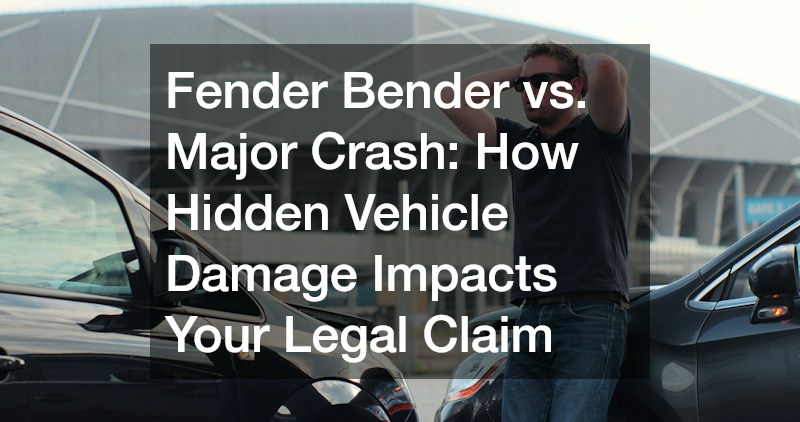
Motor vehicle collisions happen every single day on highways and quiet neighborhood streets alike, ranging from minor parking lot scrapes to catastrophic multi-vehicle pileups. When drivers experience a collision, their immediate reaction often depends on the visible severity of the impact. A driver involved in a low-speed rear-end collision might step out of the vehicle, glance at a slightly scuffed bumper, and assume that the damage is merely cosmetic. In contrast, someone involved in a high-speed rollover immediately recognizes the total destruction of the automobile and anticipates a lengthy recovery process. However, relying solely on visual inspection to determine the true extent of vehicular damage can be a dangerous mistake that severely compromises your health, safety, and financial recovery.
Unseen Structural Compromise and Frame Bending
When a vehicle suffers an impact, the force travels through outer body panels into internal structural frame supports. Even low-speed incidents can twist, bend, or crack the main structural supports of an automobile. Frame damage is particularly dangerous because it fundamentally weakens the vehicle capability to protect occupants in subsequent collisions. A compromised frame alters the crash dynamics, meaning a second impact could result in catastrophic cabin collapse. Identifying structural damage requires specialized equipment because exterior plastic components often rebound.
- Bent unibody structures that compromise occupant safety in future impacts
- Severe alignment issues causing accelerated wear on tires and suspension parts
- Hidden fractures along major welds and structural support beams
Beyond safety risks, structural damage causes severe mechanical issues over time that inflate repair costs. Vehicles with bent frames often experience severe tire misalignment, uneven tread wear, and pulling to one side. To ensure your vehicle is fully evaluated and structural defects are documented for your claim, you should work with a qualified auto body shop that possesses diagnostic tools necessary to measure frame alignment against original factory specifications.
Microscopic Glass Cracks and Structural Integrity Compromise
The windshield and structural glass of modern automobiles account for up to thirty percent of the structural strength of the vehicle cabin, acting as a crucial support beam during a rollover accident and providing essential backstopping for passenger airbag deployment. During a collision, the sudden flexing of the vehicle frame can create microscopic stress fractures along glass edges that remain invisible. Over time, normal roadway vibrations cause these hidden fractures to spread across the glass surface, leading to sudden structural failure.
- Hidden stress fractures that weaken the overall structural strength of the vehicle cabin
- Calibration errors in advanced safety sensors mounted directly behind glass
- Unseen seal degradation leading to water intrusion and interior electrical shorts
Ignoring subtle glass damage creates safety hazards and legal complications. A compromised windshield may fail to support the roof during a rollover, causing cabin collapse. Modern vehicles embed advanced driver assistance systems into windshield assemblies, and misalignment near these sensor pods causes safety system failures. Obtaining professional car window replacements immediately after an impact guarantees that safety systems function correctly and structural integrity is restored.
Internal Hydraulic Degradation and Stopping System Failures
The kinetic energy transferred during a collision impacts far more than the metal exterior of a car. Hydraulic brake systems experience sudden, massive spikes in fluid pressure when a driver slams on the pedal immediately before an impact. This surge can cause internal seals to tear, create hairline fractures in hydraulic lines, or bend mechanical calipers. While the vehicle may stop initially, fluid leaks and air intrusion slowly degrade stopping power over subsequent days and weeks.
- Internal fluid leaks caused by pressure spikes leading to pedal loss
- Warped rotors and bent caliper brackets from physical kinetic transfer
- Dislodged anti-lock sensor wiring causing stability system failures
Evaluating stopping systems post-collision requires a thorough mechanical review beyond checking fluid levels. Thermal stress during an impact can warp rotors, while physical jolts dislodge anti-lock braking sensors. Scheduling comprehensive auto brake services following any significant impact ensures certified technicians perform pressure tests, inspect lines, and scan sensor networks for hidden fault codes. Uncovering these mechanical flaws links the crash directly to safety defects.
Advanced Mechanical Diagnostics and Sub-Chassis Inspection
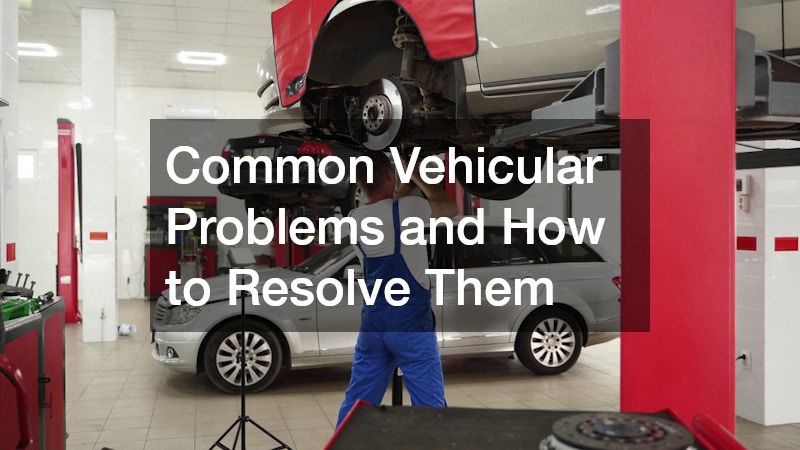
Conducting a thorough inspection of hidden vehicle damage requires specialized heavy machinery that allows mechanics to view the underside of an automobile safely and completely. Modern vehicle sub-frames, steering linkages, drive shafts, and exhaust systems are completely hidden beneath protective plastic underbody panels. Without elevating the entire vehicle, inspecting these critical assemblies is virtually impossible. Minor crashes frequently drive lower control arms into the sub-frame without leaving bumper traces.
- Hidden sub-frame cracks concealed by plastic underbody protection panels
- Bent steering linkages and tie rods causing high-speed vehicle instability
- Hairline fractures in engine blocks, oil pans, and transmission casings
Professional repair facilities utilize heavy-duty auto lifts to elevate vehicles and perform meticulous underbody examinations following an accident. These elevated inspections allow technicians to check for hairline cracks in the transmission housing, fluid leaks from the transfer case, and subtle bends in the drive shaft. Identifying underbody damage is critical because subframe damage renders a vehicle completely unalignable, leading to ongoing control issues and severe highway risks.
Sourcing Genuine Components and Restoring Vehicle Value
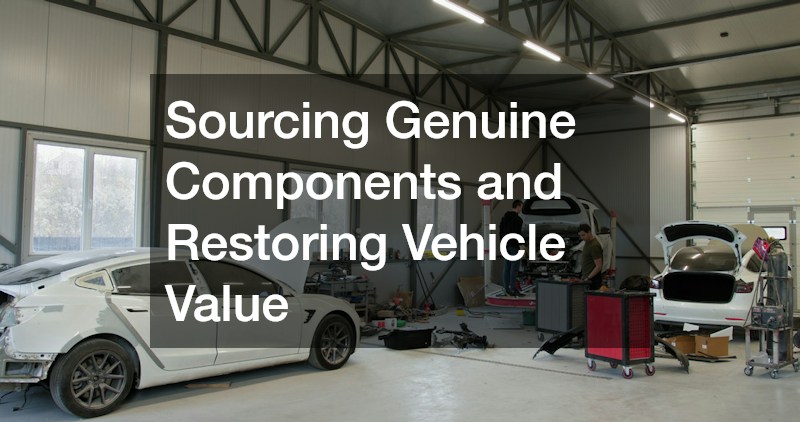
Following an accident, repairing hidden damage requires sourcing replacement parts that meet strict manufacturer specifications. Aftermarket or substandard components may not fit precisely, introducing secondary mechanical issues and drastically reducing the resale value of the automobile. When hidden damage affects internal engine components, suspension arms, or electrical harnesses, using high-quality parts ensures that the vehicle retains its structural integrity and safety ratings. Sourcing components through reputable local auto parts suppliers guarantees replacement items match factory standards.
- Higher quality replacement components prevent secondary mechanical breakdowns
- Preserving original factory specifications helps maintain total resale value
- Accurate part documentation supports formal diminished value legal claims
The legal impact of using inferior parts during post-accident repairs can be substantial. Insurance carriers often try to authorize cheap, non-OEM parts to cut payout costs, leaving the owner with an improperly repaired automobile that suffers from diminished financial value. Demanding original equipment manufacturer parts and documenting every replacement component allows policyholders to pursue diminished value claims alongside property damage compensation.
Mechanical Stress on Heavy-Duty Industrial Custom Work
Commercial vehicles, utility trucks, and fleet automobiles often carry specialized aftermarket equipment, custom racks, and reinforced utility bodies. When these heavy-duty vehicles are involved in collisions, physical forces act differently compared to standard passenger cars. The immense mass of specialized commercial mountings creates substantial torque during an impact, which can shear mounting bolts, twist chassis rails, and fracture custom welded joints. Even low-speed collisions compromise structural welds holding machinery secure.
- Sheared mounting bolts and fractured support brackets on utility bodies
- Twisted sub-frames beneath heavy custom machinery and tool racks
- Compromised structural welds that threaten cargo security during transport
In commercial vehicle claims, hidden damage often affects specialized metal fabrication for businesses custom-built onto the chassis. Because standard insurance adjusters evaluate off-the-line passenger cars, they frequently overlook structural damage inflicted upon custom utility bodies and specialized industrial mountings. Identifying cracked structural welds and twisted support beams requires specialized technical evaluations going far beyond standard auto body metrics, preventing operational losses and liability exposure.
Scene Safety, Towing Logistics, and Initial Evidence Capture
The moments immediately following a vehicular crash are chaotic, dangerous, and critically important for physical safety and future legal proceedings. When vehicles become disabled on busy thoroughfares or suffer severe mechanical failures preventing movement, securing the scene and clearing the roadway is the top priority. Dispatching professional emergency roadside assistance guarantees that the vehicle is safely removed from traffic, preventing secondary impacts and protecting stranded motorists from oncoming traffic hazards.
- Safe extraction of disabled vehicles prevents dangerous secondary collisions
- Professional towing prevents additional mechanical damage during transport
- On-scene photos and tow reports preserve vital evidence regarding fluid leaks
Beyond physical safety, the towing process plays a vital role in preserving physical evidence. Tow truck operators document vehicle positions, tire conditions, and fluid leaks present on the roadway immediately after impact. This initial documentation serves as crucial corroborating evidence in legal claims, helping accident reconstruction experts determine speed, angle of impact, and exact sequences of events that caused the collision.
Evaluating Complex Insurance Coverage and Policy Limits
Filing a property damage or personal injury claim involves navigating a complex web of policy limits, coverage exclusions, and legal fine print. Insurance companies employ tactics designed to settle claims quickly and cheaply before the full extent of vehicular and medical damage becomes apparent. Adjusters often push early settlement offers when hidden mechanical issues haven’t been diagnosed, knowing that once a release form is signed, policyholders forfeit rights to seek additional financial recovery.
- Early settlement releases forfeit your right to claim late-emerging mechanical issues
- Comprehensive policy reviews reveal hidden coverage for rental cars and OEM parts
- Proper policy navigation prevents insurance adjusters from undervaluing claims
Securing comprehensive insurance services and understanding your coverage options is critical when dealing with hidden vehicular damage. Policies contain specific clauses regarding OEM part coverage, rental vehicle reimbursement during extended repairs, and diminished value compensation. Understanding how collision, comprehensive, and uninsured motorist coverages interact enables you to make informed decisions and resist predatory settlement pressure from third-party insurers.
Legal Strategy for Physical and Financial Recovery
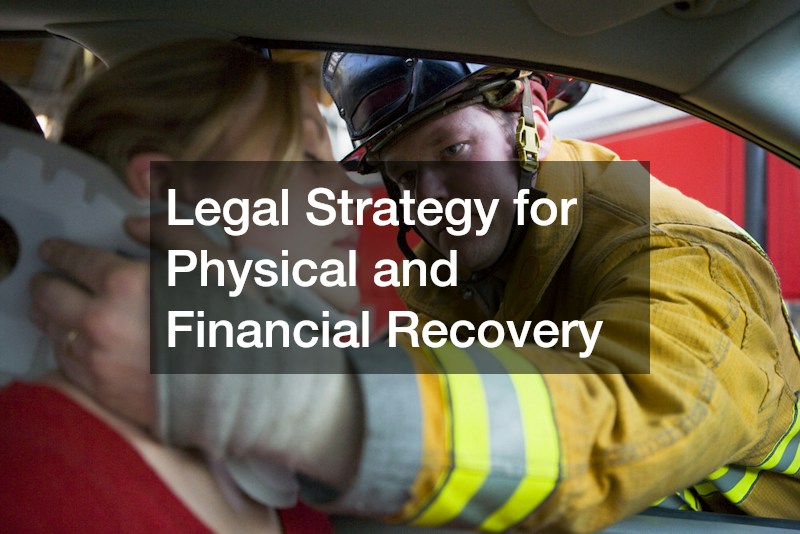
When a vehicle collision results in severe bodily injuries alongside hidden property damage, managing the legal process becomes an overwhelming burden for victims and their families. Physical injuries such as whiplash, traumatic brain injuries, spinal disc herniations, and internal bleeding often parallel hidden mechanical damage sustained by the vehicle. An accident attorney and insurance adjusters frequently use low visible vehicle damage as a weapon to claim occupants couldn’t have sustained severe physical trauma.
- Expert legal representation counters insurance arguments regarding low-impact force
- Cross-referencing vehicle structural damage with medical records establishes causation
- Experienced attorneys fight for maximum financial compensation across damage categories
Partnering with experienced injury lawyers allows victims to counter aggressive defense tactics effectively. Qualified attorneys work with biomedical engineers, accident reconstructionists, and master mechanics to prove physical forces involved in collisions. Demonstrating how energy bypassed outer plastic bumpers and transferred directly into the vehicle frame and human body proves the direct cause of severe, late-manifesting physical injuries.
Navigating the Claims Process to Maximize Financial Outcomes
Maximizing compensation after a motor vehicle accident requires a disciplined, methodical approach to documenting every aspect of your loss. From the moment the collision occurs, every action you take creates a digital and physical paper trail that will either strengthen or weaken your legal position. Failing to collect immediate evidence, skipping post-accident medical evaluations, or agreeing to quick vehicle repairs without a teardown inspection can permanently undermine the financial value of your claim.
- Document the accident scene thoroughly using high-resolution photographs and videos
- Request a detailed teardown inspection from a certified mechanical repair shop
- Maintain an organized record of all medical bills, repair estimates, and lost wage logs
To protect your legal rights and secure the financial recovery you deserve, follow a structured process that accounts for both visible and hidden damages across all categories. By maintaining a thorough approach and refusing to rush into early settlement agreements, you ensure that all hidden mechanical defects and latent physical injuries are fully accounted for, providing definitive proof required to negotiate successfully.
The distinction between a minor fender bender and a major catastrophic crash is rarely as simple as looking at exterior vehicle paint or plastic bumper covers. Modern vehicle engineering prioritizes human life by absorbing impact forces, but this safety feature frequently disguises severe, underlying structural and mechanical damage. From twisted unibody frames and micro-fractured windshields to degraded hydraulic brake systems and compromised sub-frames, hidden vehicle defects pose massive safety risks to drivers and passengers long after the initial impact has occurred.
Ultimately, taking a meticulous, unhurried approach to post-accident evaluations is the single best way to protect your physical safety, your financial stability, and your legal rights. Never allow an insurance company to rush you into signing a settlement release before your automobile has undergone a complete diagnostic review and your medical condition has been fully evaluated by qualified professionals. By recognizing that unseen vehicular damage is just as significant as visible surface trauma, you empower yourself to pursue total financial recovery and hold negligent parties completely accountable for the full scope of the harm they’ve caused.