Vehicle ownership involves more than keeping up with routine maintenance. Unexpected mechanical problems, exterior damage, glass issues, and specialized service needs can all affect a vehicle’s safety, appearance, and performance. Knowing which professionals handle different types of automotive work can make it easier to address problems before they become more complicated.
Choosing the right service provider requires considering experience, available equipment, customer feedback, and the type of work being performed. Some facilities specialize in general maintenance, while others focus on collision restoration, automotive glass, or specific vehicle types. Understanding these differences helps vehicle owners make informed decisions and find qualified professionals who can keep their vehicles in good condition.
Understanding Different Automotive Repair Services
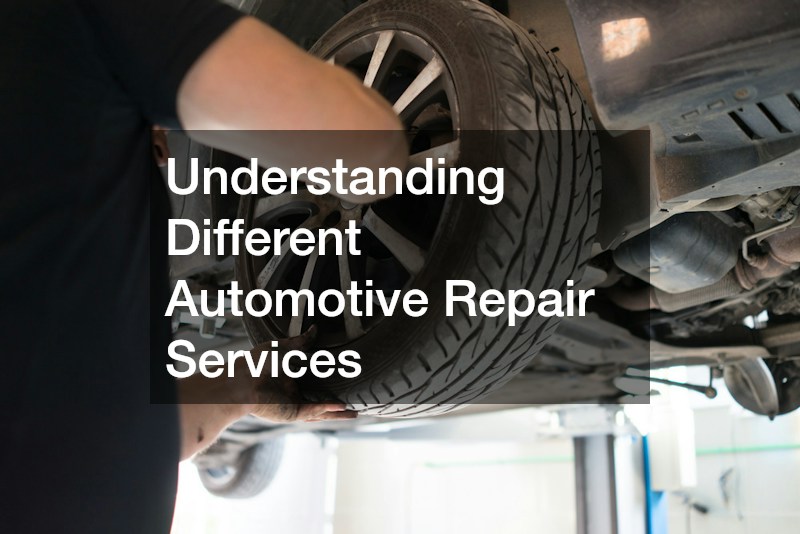
Automotive repair covers a wide range of services designed to maintain vehicle performance and address mechanical problems. When comparing auto body shops, vehicle owners should examine their experience, equipment, repair procedures, and examples of completed work. Some facilities specialize in minor cosmetic improvements, while others handle extensive accident damage, structural restoration, and complete exterior refinishing.
Common automotive services include:
- Engine diagnostics to identify warning lights, performance concerns, and mechanical problems.
- Brake inspections and repairs to maintain reliable stopping performance.
- Transmission services to address shifting difficulties and fluid concerns.
- Suspension and steering repairs to improve handling and vehicle stability.
- Electrical diagnostics to investigate battery problems, wiring issues, and malfunctioning sensors.
- Preventative maintenance to identify developing concerns before they cause unexpected breakdowns.
Not every facility offers every service. A general mechanic may handle common mechanical problems but refer customers elsewhere for specialized bodywork or glass replacement. Before scheduling an appointment, ask whether the facility has the equipment and experience needed for the requested work.
Understanding what a repair involves also makes it easier to communicate with technicians. Describing unusual sounds, warning lights, leaks, or changes in vehicle performance can help professionals narrow down possible causes and recommend appropriate solutions.
Evaluating Experience and Professional Qualifications
The quality of automotive work depends heavily on the technicians performing it. Modern vehicles contain sophisticated mechanical and electronic systems that require specialized knowledge and diagnostic equipment. Choosing an experienced professional can help ensure that problems are identified correctly and repairs are completed according to appropriate procedures.
When comparing auto repair shops, consider their experience with your vehicle’s manufacturer, available certifications, and familiarity with the specific service you need. Certifications from recognized automotive organizations can demonstrate technical knowledge, but practical experience and customer feedback are also important.
Before authorizing work, consider asking:
- How long have the technicians worked with your vehicle’s make and model?
- Does the facility use modern diagnostic equipment?
- Are replacement parts covered by a warranty?
- Will the technician explain recommended repairs before beginning?
- Are written estimates available?
- How are unexpected problems communicated during the repair process?
A professional provider should be willing to explain its recommendations in straightforward language. Customers should understand what needs attention, why the work is necessary, and what the expected costs involve.
It is also helpful to review customer feedback across multiple platforms. Look for consistent comments about communication, workmanship, scheduling, and how the facility handles concerns. A strong reputation supported by detailed customer experiences can provide useful insight when comparing providers.
Choosing a Provider for Routine Maintenance
Routine maintenance helps preserve vehicle reliability and can reduce the likelihood of unexpected mechanical problems. Oil changes, tire inspections, fluid checks, brake evaluations, and battery testing all contribute to keeping a vehicle operating properly.
Working with a dependable local auto repair shop can make maintaining a vehicle easier. Having a regular service provider allows technicians to become familiar with its condition and maintenance history. This familiarity may help them recognize recurring issues and identify changes in performance during future visits.
When selecting a maintenance provider, consider several factors:
- Service availability and appointment flexibility.
- Transparent pricing and detailed estimates.
- Experience with your vehicle’s manufacturer.
- Convenient scheduling and reasonable turnaround times.
- Documentation of completed maintenance.
- Clear recommendations for future service.
Vehicle owners should also keep copies of maintenance records. These documents can help track completed work, identify recurring concerns, and provide useful information when selling or trading in a vehicle.
Following the manufacturer’s maintenance recommendations is another important part of ownership. Service intervals can vary depending on driving conditions, vehicle design, and usage. Reviewing the owner’s manual helps determine which inspections and services are appropriate.
Understanding Exterior Restoration and Bodywork
Exterior damage can affect more than a vehicle’s appearance. Dents, damaged panels, rust, and compromised structural components may create additional concerns if left unaddressed. Professional bodywork helps restore damaged surfaces and, when necessary, correct underlying problems.
When comparing auto body repair shops, examine their experience, equipment, repair procedures, and examples of completed work. Some facilities specialize in minor cosmetic improvements, while others handle extensive accident damage and structural restoration.
Common bodywork services include:
- Dent and scratch removal.
- Bumper repair and replacement.
- Panel alignment and replacement.
- Paint matching and refinishing.
- Rust assessment and treatment.
- Exterior trim restoration.
- Structural inspections following accidents.
Paint matching is particularly important because modern automotive finishes can be difficult to reproduce. Professional technicians use specialized preparation methods and paint-matching equipment to achieve a consistent appearance between repaired and original surfaces.
Vehicle owners should also ask about replacement parts. Original equipment manufacturer components are designed to meet the vehicle manufacturer’s specifications, while aftermarket alternatives may provide different pricing and availability. A qualified technician can explain which options are appropriate for the vehicle and the work being performed.
Before approving a project, request a written estimate outlining the anticipated work. Understanding the repair process, materials, and expected completion timeline helps prevent confusion and establishes realistic expectations.
Recognizing and Addressing Interior Mold Problems
Moisture inside a vehicle can create unpleasant odors and damage interior materials. Water may enter through damaged window seals, clogged drainage channels, leaking doors, or improperly sealed components. When moisture becomes trapped in carpeting or upholstery, mold may develop.
Professional auto mold removal addresses affected interior areas while helping identify the source of moisture. Cleaning only the visible surfaces may not resolve the problem if contamination remains beneath carpeting, inside upholstery, or behind interior panels.
Warning signs include:
- Persistent musty odors.
- Visible discoloration on upholstery or carpeting.
- Damp flooring or seats.
- Repeated window fogging.
- Water accumulation near doors or windows.
- Unpleasant odors that return after ordinary cleaning.
A professional evaluation can determine how extensively the interior has been affected. Depending on the situation, treatment may involve specialized cleaning, drying, or replacing materials that cannot be adequately restored.
Preventing recurring moisture problems is equally important. Vehicle owners should inspect weatherstripping, keep drainage channels clear, and address leaks promptly. Wet floor mats and upholstery should also be dried thoroughly.
If mold concerns persist, professional assistance is preferable to repeatedly applying household cleaning products. Proper treatment should address both the affected materials and the conditions contributing to moisture accumulation.
Maintaining Automotive Windows and Glass
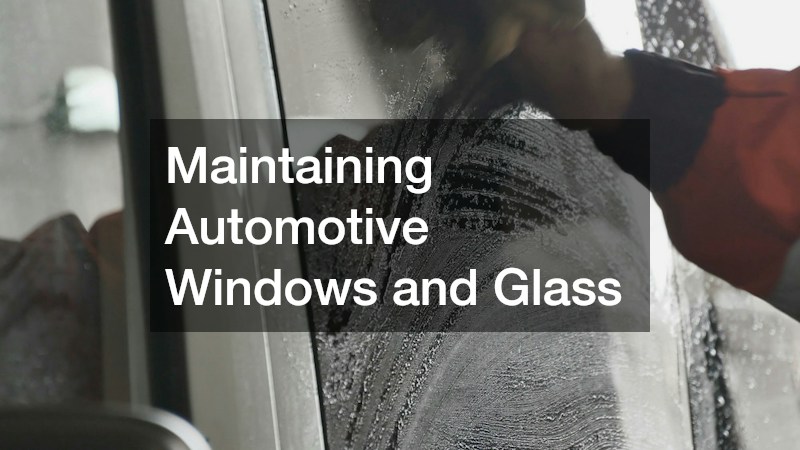
Automotive glass contributes to driver visibility, occupant protection, and the overall structural design of a vehicle. Windshields, side windows, and rear glass should remain in good condition to provide clear visibility and help protect the cabin from outside elements.
Professional auto window repair may address certain chips, cracks, damaged seals, and malfunctioning window mechanisms. The appropriate solution depends on the location and severity of the damage, as well as the condition of the surrounding components.
Common problems include:
- Windshield chips that gradually spread.
- Cracks that interfere with visibility.
- Windows that become stuck or move unevenly.
- Damaged weatherstripping that allows water inside.
- Unusual noises when operating power windows.
- Loose or improperly functioning window components.
Not every damaged window can be repaired. Extensive cracks or damage in important viewing areas may require replacement. A qualified technician can inspect the glass and determine whether restoration is appropriate.
Window mechanisms also deserve attention. Faulty regulators, motors, and switches can prevent windows from operating properly. Addressing these issues helps maintain convenience and prevents further damage to connected components.
Vehicle owners should avoid delaying repairs when glass damage affects visibility or compromises the vehicle’s condition. Prompt attention can help prevent existing problems from becoming more difficult to address.
Exploring Professional Window Tinting Options
Window tinting can improve driving comfort while giving a vehicle a customized appearance. Depending on the film selected, tinting may reduce glare, limit solar heat entering the cabin, and help protect interior materials from ultraviolet exposure.
Professional auto glass tinting provides access to different film materials and installation techniques. Common options include dyed films, carbon films, and ceramic films. Each offers different characteristics involving appearance, heat rejection, durability, and visibility.
Before choosing a tinting provider, consider:
- Film quality and manufacturer reputation.
- Heat-reduction capabilities.
- Ultraviolet protection.
- Optical clarity and visibility.
- Installation methods and workmanship.
- Available warranties and product support.
Professional installation is important because improper application can result in bubbles, peeling, uneven edges, and contamination beneath the film. Experienced installers understand how to prepare glass surfaces and apply materials correctly.
Local regulations should also be considered before selecting a tint. Restrictions can vary depending on the state, window location, and vehicle classification. A knowledgeable installer can explain applicable requirements and help customers choose an appropriate product.
It is worth discussing the intended appearance and performance benefits before purchasing a film. Selecting a product based on both practical needs and personal preferences can lead to greater long-term satisfaction.
Understanding Collision Damage and Restoration
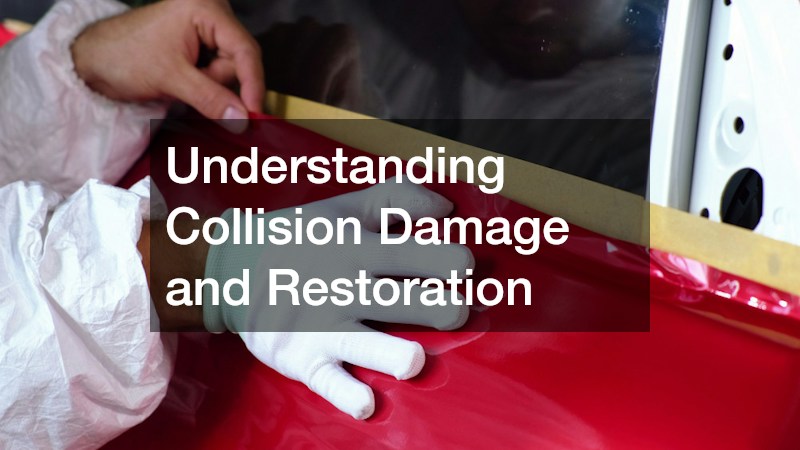
Vehicle accidents can cause damage that is not immediately visible. While dents, broken lights, and scratched paint may be easy to recognize, underlying problems can affect structural integrity, handling, and safety systems.
Professional collision repair involves evaluating the entire affected area rather than focusing exclusively on exterior appearance. Depending on the damage, technicians may need to inspect structural components, suspension systems, electronic equipment, and advanced driver-assistance features.
The restoration process typically involves:
- Initial inspection: Technicians evaluate visible damage and identify areas requiring further examination.
- Damage assessment: The facility prepares an estimate outlining recommended work.
- Disassembly: Damaged components may be removed to uncover hidden problems.
- Structural restoration: Technicians address compromised panels and structural components.
- Part replacement: Damaged components are repaired or replaced when necessary.
- Refinishing: Repaired surfaces receive appropriate preparation and paintwork.
- Final inspection: The completed vehicle is evaluated for quality and proper operation.
Communication is essential throughout the process. Customers should understand anticipated costs, replacement-part options, and possible delays. Additional damage discovered during disassembly may require adjustments to the original estimate.
Insurance coverage should also be reviewed before work begins. Understanding deductibles, repair authorizations, and documentation requirements can make the process easier to manage. A professional facility should provide updates and explain any changes before proceeding with additional work.
Preparing for Unexpected Breakdowns and Towing
Mechanical failures can occur even when vehicle owners follow recommended maintenance schedules. Battery problems, tire damage, overheating, and unexpected mechanical issues may leave a vehicle unable to operate safely.
Having access to a dependable towing company can make these situations easier to manage. Towing providers transport disabled vehicles to repair facilities and may also offer roadside assistance, including jump-starts, tire changes, and emergency fuel delivery.
When comparing providers, consider:
- Emergency availability and service coverage.
- Pricing, including hookup and mileage charges.
- Equipment suitable for your vehicle.
- Estimated arrival times.
- Experience handling specialty and luxury vehicles.
- Customer reviews and communication practices.
The appropriate towing method depends on the vehicle and the circumstances. Flatbed towing may be recommended for certain all-wheel-drive vehicles, lowered cars, or vehicles with significant damage. Other transportation methods may be suitable depending on manufacturer recommendations.
Drivers should also keep emergency contact information accessible. A basic roadside kit containing essential supplies can provide additional support while waiting for assistance.
If a breakdown occurs, move to a safe location whenever possible. Avoid attempting roadside repairs in areas with heavy traffic or other hazards. Professional assistance helps reduce the risk of additional damage and keeps drivers safer during unexpected situations.
Finding Specialists for Luxury Vehicles and Trailers
Certain vehicles require specialized attention because of their engineering, components, or intended use. Luxury automobiles and commercial trailers may have maintenance requirements that differ from those of ordinary passenger vehicles.
For owners of German luxury vehicles, professional Audi repair can be particularly important. These vehicles often incorporate advanced electrical systems, specialized transmissions, sophisticated engine technology, and manufacturer-specific diagnostic requirements.
When selecting a specialist, ask about experience with the particular model, available diagnostic equipment, replacement-part options, and familiarity with manufacturer service procedures. Specialized knowledge can be especially valuable when addressing complicated electronic or performance-related concerns.
Trailers also require regular inspections because their condition affects the safety of the towing vehicle and other road users. A dedicated trailer body shop can address damaged panels, doors, frames, flooring, and exterior components.
Important areas to inspect include:
- Exterior panels for dents, corrosion, and loose fasteners.
- Doors and hinges for proper operation.
- Flooring for moisture damage or deterioration.
- Frames and supports for visible structural concerns.
- Lighting and electrical connections.
- Seals and weatherstripping for water intrusion.
Commercial trailer operators should maintain service records and address damage promptly. Regular inspections can help reduce unexpected downtime, protect transported cargo, and support safer operation.
Choosing the right automotive professionals involves understanding vehicle needs and finding providers with the appropriate experience and equipment. From routine maintenance and exterior restoration to specialized services and emergency assistance, professional care helps preserve vehicle condition and reliability. Taking time to compare qualifications, communication, workmanship, and service capabilities can make automotive ownership easier while helping protect an important investment.