Every owner will encounter mechanical issues, regardless of how meticulously they maintain their daily driver. From subtle vibrations in the steering column to alarming noises echoing from beneath the hood, a car has its own distinct way of communicating when something is amiss. While modern engineering has drastically improved the reliability of automobiles, the intricate network of moving parts remains susceptible to wear and the harsh realities of daily commuting. Addressing these common problems promptly not only ensures a smoother driving experience but also significantly extends the lifespan of the vehicle and protects the owner’s financial investment.
Managing General Maintenance and Unexpected Breakdowns
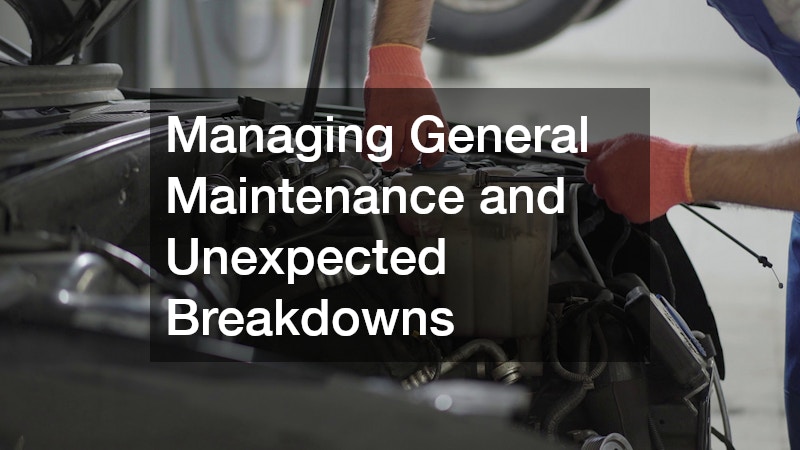
Routine upkeep is the bedrock of vehicle longevity, serving as the primary defense against mechanical failures. Drivers who adhere to a strict schedule of fluid flushes and filter replacements drastically reduce the likelihood of experiencing stalls or overheating engines. Unfortunately, even the most diligent car owners will eventually face components that reach the end of their operational lifespan. Failing alternators, dying batteries, and worn spark plugs can disrupt the engine’s combustion cycle, leading to sluggish acceleration or a refusal to start. Understanding your vehicle’s basic mechanics helps you spot these issues before they compromise safety.
When a car refuses to turn over or suddenly loses power, diagnosing the root cause requires professional insight. In these high-stress situations, finding a reputable auto repair service becomes the immediate priority to get the vehicle safely back in operation. Technicians typically begin by connecting an onboard scanner to read fault codes, which pinpoint whether the breakdown stems from a faulty sensor, a malfunctioning fuel pump, or a blown fuse. Once the exact source of the disruption is identified, the mechanic can swap out the defective parts and perform a road test to verify that the unexpected breakdown has been fully resolved.
Restoring Structural Integrity After Major Collisions
The aftermath of a severe accident involves more than fixing cosmetic blemishes or replacing shattered glass. When a car absorbs the kinetic energy of a crash, the frame and unibody structure can bend, compromising the vehicle’s ability to protect occupants. Restoring a vehicle to its factory specifications is an intricate process that demands immense precision and a deep understanding of automotive metallurgy. Without addressing these hidden structural deformities, the car might suffer from chronic alignment issues and unpredictable handling characteristics that make it inherently dangerous to drive.
Modern automobiles are designed with sophisticated crumple zones that intentionally deform to absorb shock, and reshaping these high-strength steel components requires specialized computerized measuring systems. If your vehicle has sustained heavy impact damage, you will need to seek out a facility that handles extensive collision repairs to ensure every bent rail is meticulously realigned. Technicians use laser-guided tools to measure the frame down to the millimeter, applying hydraulic pressure to slowly pull the chassis back into its original geometric shape. Once the structural foundation is verified, they can reinstall suspension components and ensure the car is entirely safe for the road.
Addressing Complex Issues in Luxury and European Vehicles
European and luxury vehicles are renowned for their superior craftsmanship, precise handling, and advanced technology, but this sophistication comes with unique maintenance demands. Unlike standard domestic cars, these high-end automobiles feature proprietary engineering, complex electrical arrays, and specialized computer modules governing everything from engine timing to climate control. When these intricate systems experience a glitch or a mechanical component begins to degrade, standard diagnostic tools and generic replacement parts are rarely sufficient to address the problem. Owners must recognize that maintaining the elite performance of these vehicles requires a commitment to specialized care and an understanding of their unique design tolerances.
Because of the tight tolerances and bespoke engineering involved, attempting do-it-yourself fixes or relying on a general mechanic can often exacerbate the problem and void warranties. For instance, recalibrating the sophisticated variable valve timing system on a German performance sedan demands proprietary software and deep brand-specific knowledge. When seeking BMW service or maintenance for a similarly advanced European model, it is critical to find technicians who possess the correct factory diagnostic equipment and training. These experts can pinpoint elusive electrical gremlins, replace specialized high-pressure fuel injectors, and ensure that every sensor is communicating flawlessly with the central control unit, thereby preserving the vehicle’s refined driving dynamics.
Fixing Squeaking, Grinding, and Unresponsive Brakes
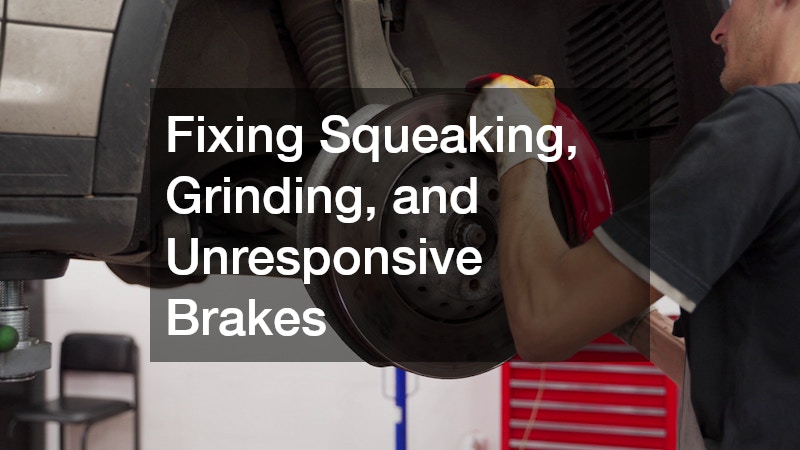
The braking system is the most critical safety feature on any vehicle, and it operates under immense friction and extreme thermal stress. When you press the pedal, hydraulic pressure forces the brake pads against the rotors, generating the friction to halt the vehicle. Over time, this constant abrasion naturally wears down the friction material on the pads and can cause the metal rotors to warp or develop deep grooves. Ignoring the early warning signs of degradation, such as a high-pitched squeal or a soft, spongy feeling in the pedal, puts the driver at severe risk of experiencing extended stopping distances or a complete loss of stopping power.
If a high-pitched squeak progresses into a harsh metallic grinding noise, it typically means the brake pads have completely worn through and metal is now gouging directly into the rotor surface. At this stage, immediate auto brake repair is necessary to prevent catastrophic failure and replace the damaged components before they compromise the calipers. A thorough brake job involves not only swapping out the worn pads and resurfacing or replacing the scored rotors but also bleeding the hydraulic lines to remove any trapped air or moisture. Properly flushing the brake fluid and lubricating the slide pins ensures that the calipers apply and release pressure evenly, restoring the crisp, responsive stopping power required for safe navigation.
Diagnosing Check Engine Lights and Performance Drops
The sudden illumination of the check engine light is a source of anxiety for drivers, as it serves as a blanket warning for potential powertrain issues. Modern engines are heavily reliant on a network of sensors monitoring oxygen levels, mass airflow, and exhaust emissions to continuously adjust the fuel-to-air ratio for efficiency. When any of these sensors detect a reading outside of the normal parameters, the engine control module triggers the dashboard warning light to alert the driver of a malfunction. While the vehicle may still run, operating it with an active warning light can lead to significantly reduced fuel economy, sluggish acceleration, and increased toxic emissions.
Determining the cause of a warning light requires reading specific alphanumeric fault codes stored in the computer system. These codes might reveal a minor problem, like a loose gas cap failing to maintain the evaporative emission system’s vacuum, or something more severe, such as a failing catalytic converter or a misfiring cylinder. If the diagnostic scan indicates a deep internal mechanical failure or a compromised timing belt, extensive car engine repair will be necessary to tear down the block and replace the faulty internals. Technicians must meticulously inspect valves, pistons, and gaskets to correct compression losses, ensuring that the engine regains its lost horsepower and operates cleanly within environmental regulations.
Repairing Cosmetic Damage, Dents, and Surface Scratches
Daily driving exposes vehicles to environmental hazards, such as shopping carts and door dings in crowded parking lots. While these exterior blemishes might not impact mechanical functionality, they significantly degrade overall aesthetic appeal and resale value. Maintaining the integrity of the exterior paint and clear coat is essential not just for outward appearances, but to prevent moisture and road salt from reaching the bare metal and sparking rapid oxidation. Ignoring small chips can quickly allow rust to take hold, compromising the structural panels over time.
When a vehicle sustains deep scratches that penetrate down to the primer or large dents that permanently stretch the sheet metal, professional intervention is required to properly restore the original finish. Technicians performing auto body repair utilize specialized techniques like paintless dent removal for minor indentations, or advanced body filler and sanding processes for more severe gouges. The final and most critical step involves computerized color matching to blend the fresh paint seamlessly with the faded factory finish, ensuring the repaired panel looks completely untouched under any lighting condition.
Resolving Performance Limitations With Custom Upgrades

Stock vehicles are mass-produced to balance production costs, driving comfort, and fuel efficiency. However, many enthusiasts find these factory parameters restrictive and seek ways to enhance their vehicle’s power delivery, handling, or utility. Upgrading specific drivetrain or chassis components allows owners to tailor the driving dynamics to their exact preferences, whether that means preparing a four-wheel-drive truck for rugged off-road trails or fine-tuning a sports car for weekend track days.
Swapping out restrictive factory exhaust systems and intake manifolds for high-flow alternatives can notably increase horsepower and completely alter the engine’s acoustic profile. Similarly, installing aftermarket coilover suspensions physically lowers the vehicle’s center of gravity, drastically reducing undesirable body roll during aggressive cornering. Engaging in complex auto customization requires meticulous planning to ensure that added components, such as larger turbochargers or aggressive engine tuning software, work in perfect harmony with the stock engine management system without causing premature mechanical failure.
Sourcing Reliable Parts for Minor At-Home Fixes
For many proactive owners, performing their own minor repairs and routine preventative maintenance is a point of pride and a practical way to save money on dealership labor. Simple garage tasks like changing deteriorated wiper blades, replacing burnt-out halogen headlight bulbs, or swapping out clogged cabin air filters require minimal technical expertise and utilize only a few basic hand tools. Engaging in these straightforward weekend projects helps drivers build a much better understanding of their vehicle’s basic mechanical anatomy while fostering a rewarding sense of automotive independence.
The ultimate success and safety of any do-it-yourself garage project heavily depends on the overall quality and exact compatibility of the replacement components being used. When embarking on a basic maintenance routine like a driveway oil change or upgrading fouled spark plugs, procuring the right auto supplies from a highly trusted source is absolutely essential to avoid installing substandard or counterfeit parts. Enthusiasts must diligently cross-reference exact part numbers and factory specifications in their service manual to ensure they are purchasing the correct viscosity motor oil, the right filter thread pitch, and reliable OEM-equivalent hardware.
Handling Uneven Tread Wear and Frequent Tire Punctures
Tires are the only point of physical contact between a moving vehicle and the road, making their condition paramount for safe driving. Over time, rubber compounds naturally degrade from constant friction, ultraviolet exposure, and extreme temperature fluctuations. If the wheels are not properly aligned or balanced, this degradation accelerates drastically, leading to uneven tread patterns that severely compromise traction in wet or icy conditions. Monitoring tire pressure and inspecting the sidewalls for bulging or deep cracking can prevent dangerous blowouts at highway speeds and ensure maximum fuel efficiency during daily commutes.
When a tire sustains a puncture from road debris like a rogue nail or a sharp piece of glass, a rapid loss of air pressure will immediately trigger dashboard warnings and necessitate a roadside wheel change. Rather than relying on a temporary spare or utilizing chemical sealants that can ruin internal pressure sensors, taking the damaged wheel to experts who can properly demount the rubber and apply a permanent internal patch is the safest course of action. Establishing a good relationship with reputable local tire shops ensures you have a reliable resource for seasonal tire rotations, computerized wheel balancing, and purchasing the correct replacement sets tailored to your specific driving climate.
Troubleshooting Exhaust and Engine Faults in Diesel Trucks

Diesel engines operate under a fundamentally different combustion principle than their gasoline counterparts, relying on high compression ratios rather than spark plugs to ignite the fuel mixture. This robust design allows diesel powerplants to generate amounts of low-end torque, making them the preferred choice for heavy towing, commercial transport, and rugged utility vehicles. However, this immense power output requires highly specialized emission control systems to mitigate soot and nitrogen oxide pollutants. When these complex exhaust aftertreatment systems become clogged or the high-pressure fuel injectors begin to fail, the engine can suffer a severe loss of power, drastically reduced fuel economy, and excessive black smoke trailing from the tailpipe.
Addressing a malfunctioning diesel particulate filter or a failing turbocharger requires a deep understanding of heavy-duty mechanics and specialized diagnostic software capable of communicating with advanced diesel control modules. Standard automotive technicians often lack the heavy lifting equipment and specific expertise required to properly service these powerplants. If your heavy-duty truck experiences a failure in its selective catalytic reduction system or a loss of compression in a cylinder, you must take the vehicle to a dedicated diesel repair company for accurate diagnostics. These specialized mechanics have the necessary tools to perform forced regenerations on exhaust filters, rebuild turbochargers, and recalibrate heavy-duty fuel systems to keep your workhorse running at peak efficiency.
Maintaining a vehicle is a responsibility that demands vigilance, a basic understanding of mechanical systems, and a proactive approach to automotive care. By paying attention to the subtle warnings a car provides, from the scent of burning fluids to the vibration of a failing wheel bearing, owners can intervene before wear and tear escalates into a mechanical failure. Whether dealing with a fluid change or navigating the aftermath of a breakdown, prioritizing proper maintenance preserves both the immediate safety and the financial value of the automobile. Ultimately, a well-maintained car delivers incredible peace of mind, ensuring that every journey is completed smoothly and securely without the fear of a breakdown.