Vehicle ownership is a journey filled with freedom and convenience, but it also comes with its fair share of unpredictable challenges and rewarding projects. On any given day, you might find yourself dealing with a sudden roadside blowout, navigating an unexpected traffic stop, or planning a multi-week cosmetic restoration in your garage.
Most drivers handle these situations reactively, scrambling for solutions only after a crisis occurs or blindly guessing how to manage long-term vehicle maintenance. Taking a haphazard approach leads to unnecessary stress, inflated repair costs, and compromised vehicle safety.
By building a comprehensive strategy that covers immediate roadside emergencies, structural repairs, cosmetic enhancements, and proper long-term climate controlled car storage or metal carport, you can protect both your safety and your financial investment. This guide breaks down every stage of vehicle management to help you handle unexpected emergencies with confidence and execute garage projects with professional precision.
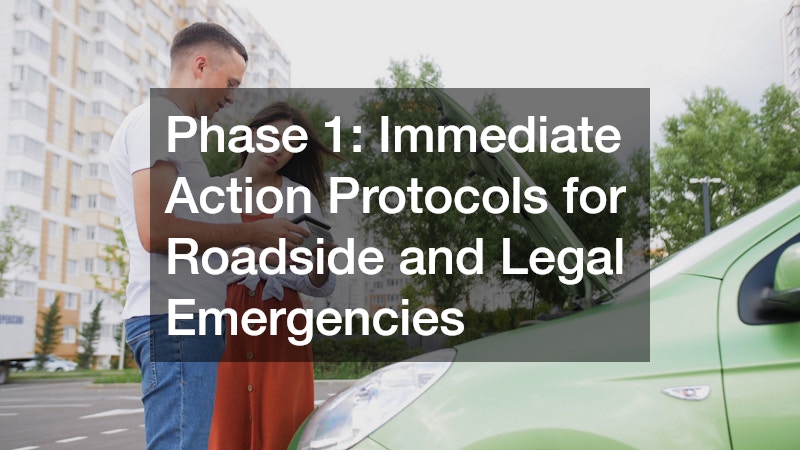
Phase 1: Immediate Action Protocols for Roadside and Legal Emergencies
Safely Navigating Sudden Mechanical Failures and Accidents
A roadside breakdown or sudden collision is one of the most stressful experiences a driver can face. The actions you take in the first five minutes after an incident directly impact your physical safety and your financial liability.
If your vehicle suffers a flat tire, engine failure, or minor collision while driving, your immediate goal is to reach a safe zone. If the vehicle is still moveable, steer it toward the far right shoulder or off the highway into a well-lit parking lot. Avoid stopping in blind spots, near curves, or in active traffic lanes.
Once your vehicle is stationary, apply the parking brake and switch on your hazard lights immediately. If you are stuck on a busy highway, it is generally safer to remain inside the vehicle with your seatbelt buckled than to exit onto the shoulder where passing traffic presents a severe hazard.
If your vehicle is completely immobilized or structurally compromised, you need professional assistance to transport it safely. Attempting to drive a severely damaged car can cause catastrophic internal engine failure, ruin wheel rims, or cause secondary accidents.
Calling a local tow truck operator quickly ensures your vehicle is removed from dangerous roadway conditions and moved to a secure lot or repair facility without suffering additional undercarriage damage. Maintaining the direct phone number of a reliable towing provider in your glove box or saved on your phone saves critical time and prevents you from having to rely on expensive, unverified roadside dispatchers during a crisis.
Before leaving the scene or allowing your vehicle to be moved, document everything thoroughly. Take wide-angle photos of the entire scene, close-ups of damage on all involved vehicles, street signs, and weather conditions. Exchange insurance information, driver’s license numbers, and phone contacts with all involved parties, but refrain from discussing fault or admitting responsibility at the scene.
Handling Unexpected Law Enforcement Stops and Custody Situations
Traffic stops can escalate rapidly, moving from routine traffic enforcement to complex legal situations. Remaining calm, respectful, and aware of your legal rights is essential to protecting your long-term interests during any law enforcement interaction.
If pulled over, pull to a safe location on the right side of the road, turn off the engine, turn on your interior dome light if it is nighttime, and place both hands on the steering wheel. Wait for the officer to approach and ask for your documents before reaching into the glove compartment or your pockets.
During an investigation, you are required to provide your driver’s license, vehicle registration, and proof of insurance. However, you retain the constitutional right to remain silent regarding questions about where you have been, what you have consumed, or where you are going. If an officer suspects impairment and conducts field sobriety testing or places you under arrest, exercising your right to speak with a legal professional immediately is crucial.
Navigating the criminal justice system requires specialized legal expertise. Contacting a qualified DUI attorney as soon as possible ensures that your constitutional rights are defended, breathalyzer and field test evidence is properly evaluated, and court appearances are managed effectively to minimize long-term impact on your driver’s license and record.
In scenarios where an arrest occurs, securing immediate release from custody becomes the primary priority so you can return home and begin preparing your legal defense. Navigating the administrative processes of detention facilities can be overwhelming for family members attempting to post bail directly.
Working with an experienced bailbond agent provides a streamlined path to posting the necessary financial guarantees for court release. A bond professional understands local county jail protocols, operates around the clock, and allows you to secure release by paying a fraction of the total bail amount upfront while the full legal case is processed.
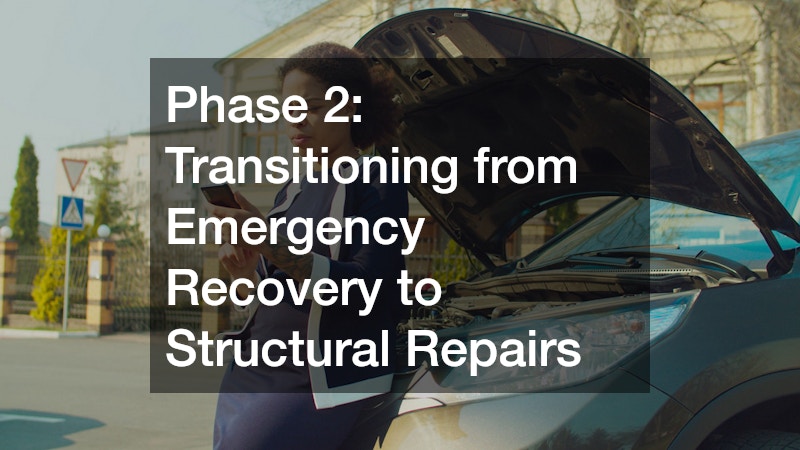
Phase 2: Transitioning from Emergency Recovery to Structural Repairs
Evaluating Mechanical Damage vs. Cosmetic Upgrades
Once the immediate crisis of a roadside breakdown or accident has passed, the focus shifts to restoring your vehicle to safe working order. Proper recovery requires a clear system for assessing damage and prioritizing repairs based on functional safety rather than visual appearance.
Begin with a thorough mechanical triage. Before worrying about minor scuffs or dented panels, focus on the operational systems of the vehicle:
- Check for leaking fluids beneath the engine bay, including engine oil, coolant, transmission fluid, and brake fluid.
- Inspect steering components, wheel alignment, and suspension arms for bent metal or loose fittings.
- Test electronic dashboard systems to identify active error codes, check engine lights, or airbag warnings.
- Audit the braking system to ensure full hydraulic pressure and inspect rotors and pads for cracks or misalignment.
For internal mechanical repairs, engine diagnostics, electrical troubleshooting, and routine fluid overhauls, you must partner with a certified car repair shop. A quality facility employs technicians certified by organizations like the National Institute for Automotive Service Excellence (ASE) who possess the specialized diagnostic scanners and factory service information required for modern computer-controlled engines.
Avoid the temptation to clear engine fault codes yourself using cheap code readers without addressing the root mechanical failure, as ignoring persistent mechanical issues can result in sudden power loss while driving.
Managing Complex Collision and Bodywork Reconstruction
When an accident results in structural damage, crumpled metal, or misaligned subframes, basic mechanical maintenance is no longer enough. Structural collision repairs require specialized machinery capable of restoring factory tolerances to modern unibody and frame designs.
Navigating the insurance claims process after a collision requires patience and clear documentation. Insurance adjusters are tasked with minimizing payout costs, which can sometimes lead to recommendations for low-quality aftermarket replacement parts or incomplete framework.
Demand a detailed, itemized estimate that explicitly outlines the replacement parts to be used, favoring Original Equipment Manufacturer (OEM) components whenever possible to maintain structural integrity and fitment.
For severe outer panel, frame, and paint repairs, entrust your vehicle to a specialized auto body repair service equipped with heavy-duty frame-pulling racks and computerized laser measuring systems. Modern vehicles rely on precise crumple zones designed to absorb impact forces during a crash; if these structural areas are pulled incorrectly or patched poorly, the vehicle will not protect passengers correctly in a subsequent accident.
After bodywork and structural repairs are completed, conduct a rigorous post-repair inspection before accepting the vehicle back:
- Examine panel gaps around the hood, doors, and trunk to ensure they are even and uniform on both sides.
- Inspect the paint finish under direct sunlight and artificial light to check for matching color hues, clear coat overspray, or texture mismatches like orange peel.
- Verify that all electrical door locks, power windows, latches, and exterior lighting components integrated into the repaired panels operate smoothly.
- Perform a test drive to confirm the vehicle tracks straight down the road without pulling to one side or producing unusual wind noise around door seals.
Phase 3: Cost-Effective Cosmetic Maintenance and Upgrades
Fixing Minor Exterior Blemishes Without Shop Downtime
Not all vehicle damage requires structural reconstruction or heavy body shop intervention. Everyday vehicle ownership brings small parking lot dings, runaway shopping cart impacts, and minor door creases that spoil your car’s exterior appearance without compromising its safety.
Before scheduling expensive traditional bodywork, evaluate whether exterior dents can be repaired using non-invasive techniques. Traditional repairs involve sanding down factory paint, filling indentations with plastic body filler, and repainting the entire panel. This process takes several days and strips away original factory paint, which can hurt your vehicle’s resale value.
If the paint surface inside the dented area remains uncracked, smooth, and intact, your vehicle is an ideal candidate for specialized repair methods that preserve the original finish.
Leveraging a mobile dent repair service allows you to eliminate minor cosmetic defects directly at your home or office without leaving your car sitting in a repair yard for days. Technicians use customized metal rods, specialized LED lighting arrays, and glue-pulling tabs to meticulously massage dented metal back to its original memory shape from behind the panel.
This process eliminates the need for body filler, primers, or custom color matching, preserving your factory clear coat completely.
The financial and logistical benefits of paintless repairs make it one of the smartest cosmetic upgrades for maintaining vehicle value:
- Restores metal panels to original factory contour within hours rather than days.
- Costs significantly less than conventional body shop labor and paint material fees.
- Maintains the original factory paint warranty and prevents paint mismatch issues on aging panels.
- Eliminates rental car costs by allowing repairs to occur in your own driveway while you work or relax.
Enhancing Cabin Comfort and Protecting Interior Surfaces
While exterior care keeps your vehicle looking great on the outside, interior maintenance directly impacts your driving comfort, health, and vehicle longevity. The interior cabin of a car is constantly exposed to extreme temperature spikes and intense ultraviolet (UV) solar radiation.
Over time, direct sunlight degrades dashboard plastics, causes leather seats to dry out and crack, fades cloth upholstery, and degrades sensitive touchscreen displays. During summer months, interior cabin temperatures can easily exceed 140 degrees Fahrenheit, creating an uncomfortable environment that forces your air conditioning system to work at maximum capacity.
Installing high-grade window films offers an effective defense against interior heat accumulation and solar damage. Partnering with a professional auto window tinting installer ensures that high-quality ceramic or carbon-based films are applied precisely to side windows and rear glass without unsightly bubbles, peeling edges, or purple discoloration.
Modern ceramic window films block up to 99% of harmful UV rays and reject a massive portion of total solar energy without relying on extremely dark, illegal glass shades that obscure night visibility.
Phase 4: Advanced Exterior Protection and Off-Season Storage
Applying Long-Term Paint Protection Technologies
Once your vehicle is mechanically sound and free of major body dings, protecting the exterior finish from future environmental degradation becomes the top priority. Factory clear coat is surprisingly thin and vulnerable to damage from acid rain, harsh road salts, bug splatter, bird droppings, and industrial fallout.
Traditional car waxes provide a brief layer of shine, but they break down rapidly under heat and washing cycles, often wearing off completely within four to eight weeks. Modern paint preservation relies on advanced nanotechnology that bonds chemically with the vehicle’s clear coat at a molecular level.
Applying a high-performance ceramic coating creates a semi-permanent, glass-like hard shell over the entire paint surface. This durable layer offers extreme hydrophobic properties, causing water, mud, and road grime to bead up and slide off effortlessly, which drastically cuts down on wash times and prevents micro-scratching.
Using This Guide for Your Vehicle
Successfully managing a vehicle throughout its lifespan requires a balanced combination of emergency preparedness, smart mechanical maintenance, proactive cosmetic restoration, and proper environmental protection. Automotive ownership doesn’t have to feel like a series of overwhelming surprises. By putting clear protocols in place before emergencies happen, you turn potential disasters into manageable steps.
Building a complete car care plan means knowing exactly who to call when trouble strikes on the highway, choosing certified specialists for critical mechanical and structural repairs, and investing in smart cosmetic upgrades that preserve factory finishes. Pairing those strategies with proper daily shelter or climate-controlled long-term storage ensures your vehicle remains safe, reliable, and visually stunning for years to come.